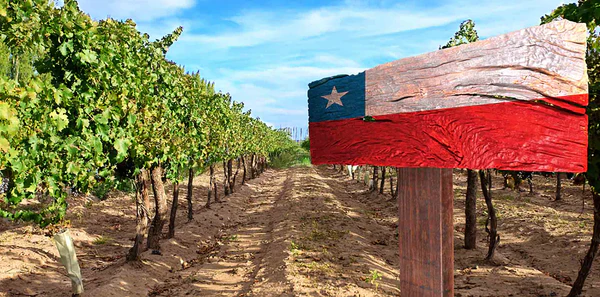
Chilean wines are a great discovery, for various wine programs in South East Asia, it has for long been a supply of drinkable or at times undrinkable wines in lists that were listed to show a bigger selection, purchased at low prices and wine that will balance your cost sheets. To the point that people had the impression that all wines from Chile are in the same category.
Even after a rich lineage of wine making, the conversation has for long been far from the high-quality wines they produce. In recent times the interest has moved towards the high-quality Chilean wines that challenge any another premium wine style in the world. The aim here is to take you through the Iconic wines from Chile that show the prowess of Chilean wine making.
VIÑEDO CHADWICK
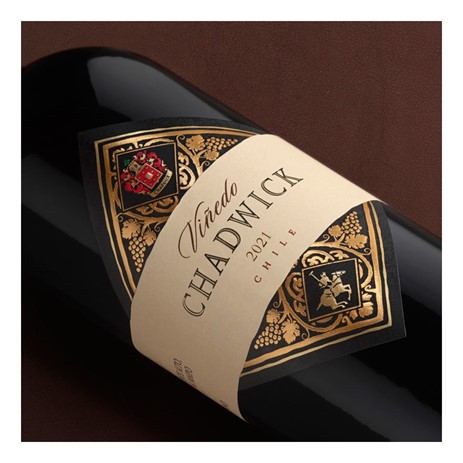
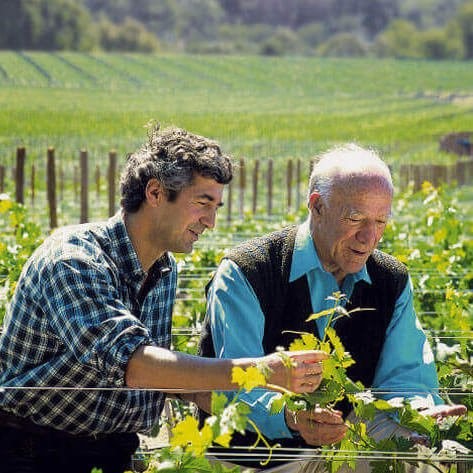
Viñedo Chadwick, a winery located in Puente Alto DO in the Maipo Valley, honors the memory of a passionate and visionary man: Don Alfonso Chadwick Errázuriz, the father of Eduardo Chadwick.
Alfonso Chadwick Errázuriz began his career by setting up Chile’s first wine brokerage in the early 1930s, something that got him closer to many wine producers of Chile. In 1983, he also took over the running of Viña Errázuriz.
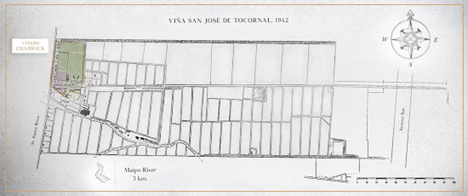
Alfonso bought a 300-hectare estate named Viña San José de Tocornal estate in 1942 in the Alto Maipo Valley, to indulge his love of wine and polo, having captained the Chilean team for many years. The estate comprised 300 hectares, 216 of which were planted into vineyards. that was the origin of Chile’s most coveted appellation for fine Cabernet Sauvignon: Puente Alto DO. After government reforms, they sold most of the property and held on to 25 hectares for themselves, including the Polo Field.
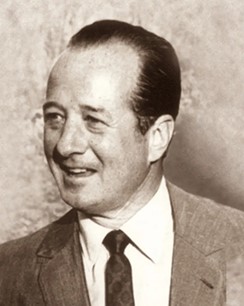
In 1992 – it was Eduardo’s realization that his father’s polo field sat on gravel soils perfectly suited to Cabernet, led him to persuade his father to convert it to vineyards. By the time Don Alfonso had stopped playing polo and due to the great history of terroir of the vineyard he gave his consent to Eduardo.
A 15-hectare vineyard was carefully planted with the best Cabernet plantings from the family’s vineyards. The inaugural vintage was 1999 and an Icon was born.
This influential Bordeaux blend is mostly Cabernet Sauvignon with a dash of Petit Verdot; aged in French Oak barrels, 80% in new barrels and 20% in old large casks. It was in the 2004 Berlin tasting were Viñedo Chadwick cemented Chilean winemaking prowess.
The Chilean wine industry will always remember the 23 January 2004 as the day of the great ‘Berlin Tasting’. It was on this day that Eduardo Chadwick conducted a blind tasting modelled on and inspired by Steven Spurrier’s landmark Judgement of Paris event, back in 1976. The tasting comprised several Chilean ‘icon’ wines, including Viñedo Chadwick alongside the world’s finest wines from the great millennium vintage. Eduardo had invited the most respected European palates and experts, including Steven Spurrier, to assess, compare and score the wines in the most exacting conditions.

The outcome of the tasting provided an earth-shattering result entirely like the Judgement of Paris. Not least because the Viñedo Chadwick 2000 was placed first – ahead of the most lauded Bordeaux First Growths and the most acclaimed Super Tuscans.
The Result:
- Viñedo Chadwick 2000
- Seña 2001
- Château Lafite Rothschild 2000
- Château Margaux 2001
- Seña 2000
- Viñedo Chadwick 2001
- Château Margaux 2000
- Château Latour 2000
- Don Maximiano Founder’s Reserve 2001
- Château Latour 2001/ Solaia 2000
The results of events like the Paris and the Berlin Tastings can be taken as ‘once offs’, so it is important to prove their validity with re-runs. The Berlin Tasting has had more than 20 re-runs since then.
SEÑA

When we talk about the most influential wines from Chile, Seña is on the top of the list. A partnership between two legendary wine names, Eduardo Chadwick and Robert Mondavi to create Chile’s first Icon Wine.
In 1991 Eduardo spent some time showing Robert Mondavi and his wife Margrit around the Chilean wine country. Robert Mondavi found a similar spirit to him in young Eduardo Chadwick. They visited many wineries in the Aconcagua, Maipo, and Colchagua valleys. They reached to a conclusion that Chile had the potential to create something world class. Hence the name Seña, meaning “Signal”.
A Bordeaux-style blend, the wine is mainly Cabernet Sauvignon (normally over 50%), with Carménère playing a significant role and adding a distinctly Chilean imprint. Since 2005, Seña has been owned entirely by the Chadwick family.
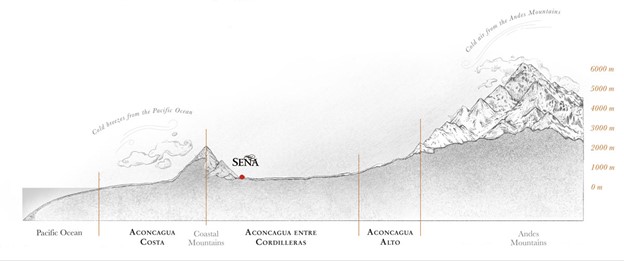
Seña needed a vineyard of its own, Tim Mondavi and Eduardo Chadwick began searching for just the right terroir. Tim was ahead of his time in insisting they seek out a cooler site to make a fresher, more elegant wine than was the norm in the mid-1990s.
There it was Aconcagua Valley; a valley following the Aconcagua River; flowing from the Andes to the Pacific Ocean. Seña’s 42-hectare hillside vineyard was planted in 1998 to key red Bordeaux varieties and Carménère. The Mediterranean climate in this valley ensures the warm, dry summers, bright sunny days and the cold, rainy winters. The cooling effects of the Pacific Ocean’s Humboldt Current and the down-drift winds of the Andes Mountains create unique climate conditions with cooling midday breezes, cold nights and a broad daily temperature oscillation that also extends the ripening period.
The wine is racked to 100% new oak barrels where it stays for 22 months before bottling. Elegance in a bottle.
ALMAVIVA
In 1997, Baroness Philippine de Rothschild, Chairman of the Advisory Board of Baron Philippe de Rothschild SA, and Eduardo Guilisasti Tagle, Chairman of Viña Concha y Toro S.A., sealed a partnership agreement with a view to create an exceptional Franco-Chilean wine called Almaviva.
The name Almaviva, belongs to classical French literature: Count Almaviva is the hero of The Marriage of Figaro, the famous play by Beaumarchais (1732-1799), later turned into an opera by the genius of Mozart.
The label bears the name Almaviva in Beaumarchais’ own handwriting. Two great traditions thus join hands to offer the whole world a promise of pleasure and excellence. It was the first Chilean wine under the Chateau concept. Exceptional terroir, one unique bodega and one technical team – the three of which are dedicated exclusively to the production of one wine.

The vineyard is situated in Puente Alto, a top location for Cabernet Sauvignon; It is here that 60 hectares have been reserved exclusively for Almaviva. The winery was planted with five distinct varieties, the Cabernet Sauvignon, the Carménère, the Cabernet Franc, the Merlot, and the Petit Verdot, with Cabernet Sauvignon being by far the most cultivated, as it is particularly well adapted to the terroir of Puente Alto.
The wine is an assemblage of various bordelais wines, with a predominance of Cabernet Sauvignon, harmoniously associated with smaller percentages of Carménère and Cabernet Franc, Merlot and Petit Verdot. The result is a potent, and unique wine that offers the best of both worlds.
Carmin de Peumo
Well, discussing about Chilean greats and not talking about Carmin de Peumo is not a possibility. Carmin de Peumo is the first iconic Carménère from Chile. Carménère from a very specific terroir produced by a legendary name, Concha y Toro.
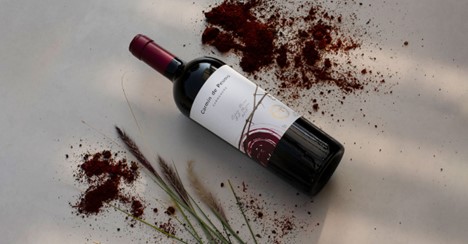
Well-regarded as among the best terroirs in the world for growing Carménère, the Peumo region of the Cachapoal Valley has turned Carménère into Chile’s most iconic wine. Peumo Vineyard, snuggled 558 feet above sea level, is heavily influenced by the Cachapoal River and Lake Rapel. The Carménère vines descend from pre-phylloxera cuttings and are planted in deep clay-loam soils that retain moisture, thereby controlling the vigor of the vines. A vast diurnal range results in dark fruit notes and firm tannins in the site’s Carménère grapes.
With vines first planted in 1987 and the Peumo Vineyard carefully divided into blocks to enhance the precision involved in crafting this exceptional wine, Carmín de Peumo Carménère is a work of dedication.
Carménère is blended with 3.5% Cabernet Sauvignon and 1.5% Cabernet Franc to lend extra structure to this luscious wine. Aged for 14 months in French oak barrels, bringing a complexity to the wine, a deep and concentrated flavour with a long finish, balanced by the distinctive minerality of Peumo’s terroir.
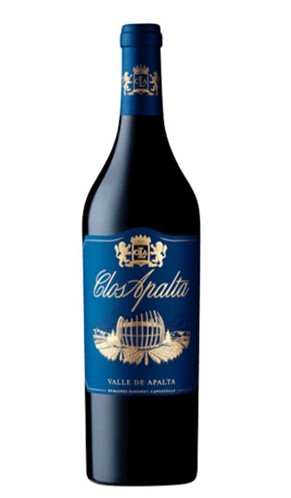
Clos Alpata
The story began in 1827, when Jean-Baptiste Lapostolle founded a fruit liqueur distillery in Neauphle-le-château, near Versailles. Fifty-three years later, his granddaughter's husband, Louis-Alexandre Marnier, from a family of Sancerre wine merchants, was captivated by the Cognac region and its brandy. Thus, the Lapostolle dynasty was launched.
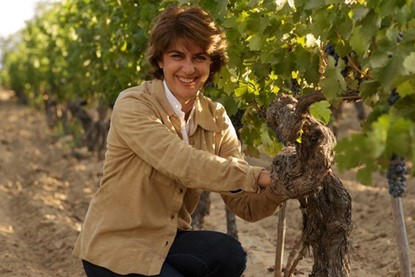
Alexandra Marnier Lapostolle, came to Chile in 1994. She liked it so much that she launched Lapostolle Wines in Apalta, a much-praised subregion of the Colchagua Valley. In 1997, one of the first icon wines of Chile was born, Clos Apalta.
The vineyard is located at the entrance of the Apalta Valley, with its 60 hectares laid amphitheatrically. It enjoys a mostly southeast exposure, quite rare in Colchagua, which limits the sunshine and protects the old vines planted in poor granite soils from extreme heat. The oldest plots were planted between 1915 and 1920; the stocks were imported from France at the end of the 19th century. A unique, century-old vineyard with 40 hectares of vines averaging 80-years-old.
The wine is a blend led by Carménère, supported by Cabernet Sauvignon and Merlot. 21 months in French oak barrels, 78% new, 22% second use. Neither fined nor filtered.
VIK
In 2004, Norwegian entrepreneurs Alexander and Carrie Vik decided to make a worldclass wine and began searching for the ideal terroir. After two years consulting with specialists around South America, they purchased a 4,450-hectare estate in Cachapoal.
The chosen land was Millahue, called “Lugar de Oro” (Place of Gold) by the indigenous Mapuche people. Here they found the perfect terroir for grape varieties, such as Cabernet Sauvignon, Carménère and Cabernet Franc, among others.
Cristian Vallejo has been the Chief Winemaker at Viña VIK since 2007 and takes charge of winemaking and viticulture. Having spent several years working in Bordeaux, Italy, California and Spain, he brings a wealth of experience to the winery.
His philosophy is to make the wines with hand-harvested grapes and using native yeast, before ageing the wines in new and used French oak barrels. Under Cristian’s guidance, the winery is also introducing its first wines aged in clay amphoras which have been specially designed and custom-made with the clay from the vineyard soils. VIK is also developing wine barrels from oak from their very own estate too.
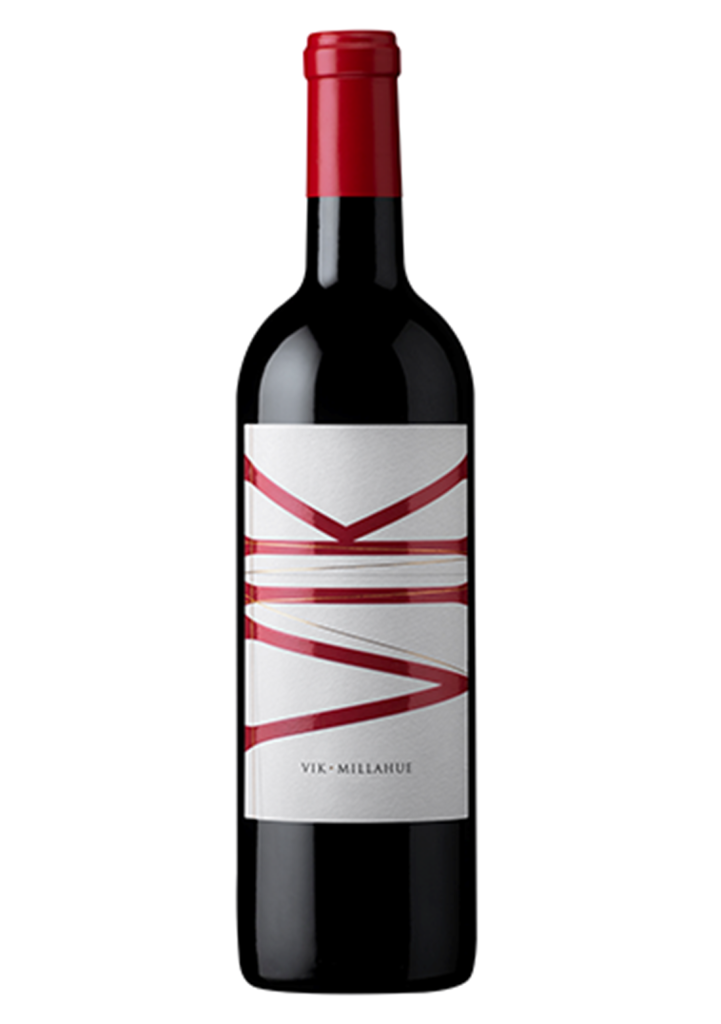
VIK has taken sustainable winemaking to next level in Chile, the energy used is 100% renewable, The winery promotes environmentally friendly Viti vinicultural practices. Fermentation is spontaneous, and no yeasts are added. They also use “winter irrigation”, meaning that artificial rain was used so that when summer came, the plants would not have an unnecessary level of dehydration.
The concept of Barroir: Barrel + Terroir: they make wines with minimal intervention. No use of extra applications, only natural yeasts, no filtering and do not use clarifying agents or additives to ensure that nothing interferes with the expression of the Millahue terroir. However, the process of ageing wines in new and used barrels could add flavours that are not unique to VIK.
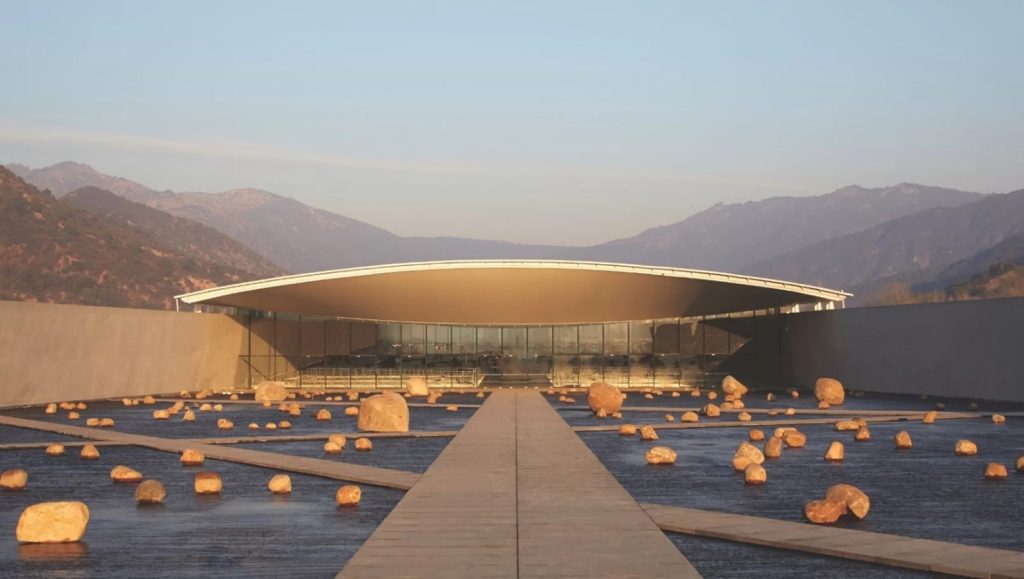
Located in the same area as VIK Chile’s vineyard, visitors will also find the Bodega VIK (VIK Winery), designed by the renowned Chilean architect Smiljan Radic. It is outstanding for its unique and unprecedented design.