The Passion Behind the Pin: A Journey with Master Sommelier Roberto Durán
Roberto Durán’s path into wine began unexpectedly. While studying Economics in Spain, a summer job in Majorca introduced him to Spain’s 1997 Sommelier of the Year, sparking a passion that changed his life. His pursuit of excellence later took him to 67 Pall Mall in London, where working under Ronan Sayburn MS and experiencing his legendary Bordeaux masterclass raised Roberto’s standards to new heights.
The road to the Master Sommelier pin was anything but smooth - failures, especially in blind tasting, tested his resilience. Yet those setbacks became turning points, teaching him patience, humility, and perseverance.
Today, Roberto is celebrated not only for his achievement but also for his philosophy. He is deeply committed to mentorship, fostering a culture of support among young sommeliers, and remains fascinated by volcanic-soil wines and minimal-intervention practices. For him, wine is about more than knowledge; it’s about stories, people, and connections.
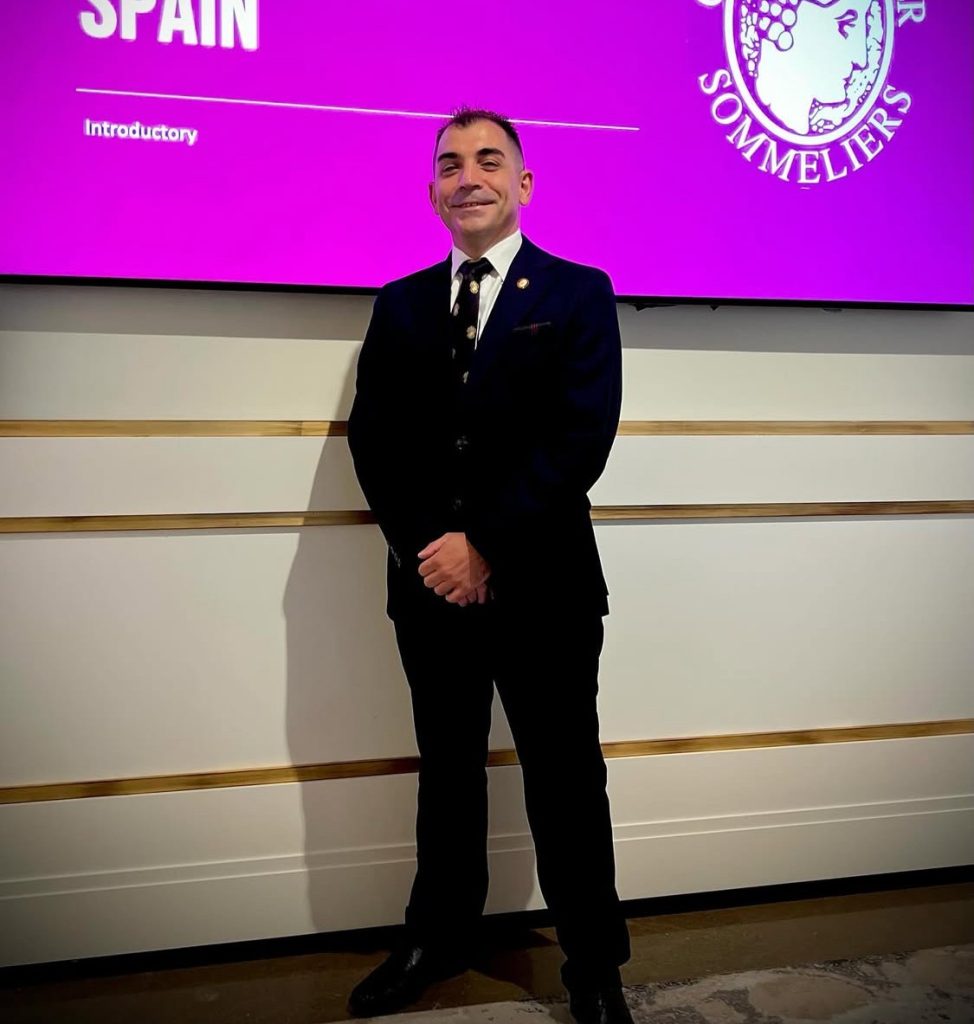
Behind every Master Sommelier pin lies a story of perseverance that few truly know. For Roberto Durán MS, the journey was never a straight line but a series of defining moments chance encounters, hard-fought failures, and the quiet determination to keep moving forward.
What makes Roberto’s path inspiring is not just the achievement itself, but the way he frames the journey: as much about community and humility as it is about knowledge and skill. In speaking with him, it becomes clear that mastery isn’t only found in the glass it is found in the discipline to show up, the courage to embrace setbacks, and the generosity to lift others along the way.
In the conversation that follows, Roberto opens up about the pivotal moments that shaped him, the lessons learned from failure, and the values he hopes to pass on to the next generation of sommeliers.
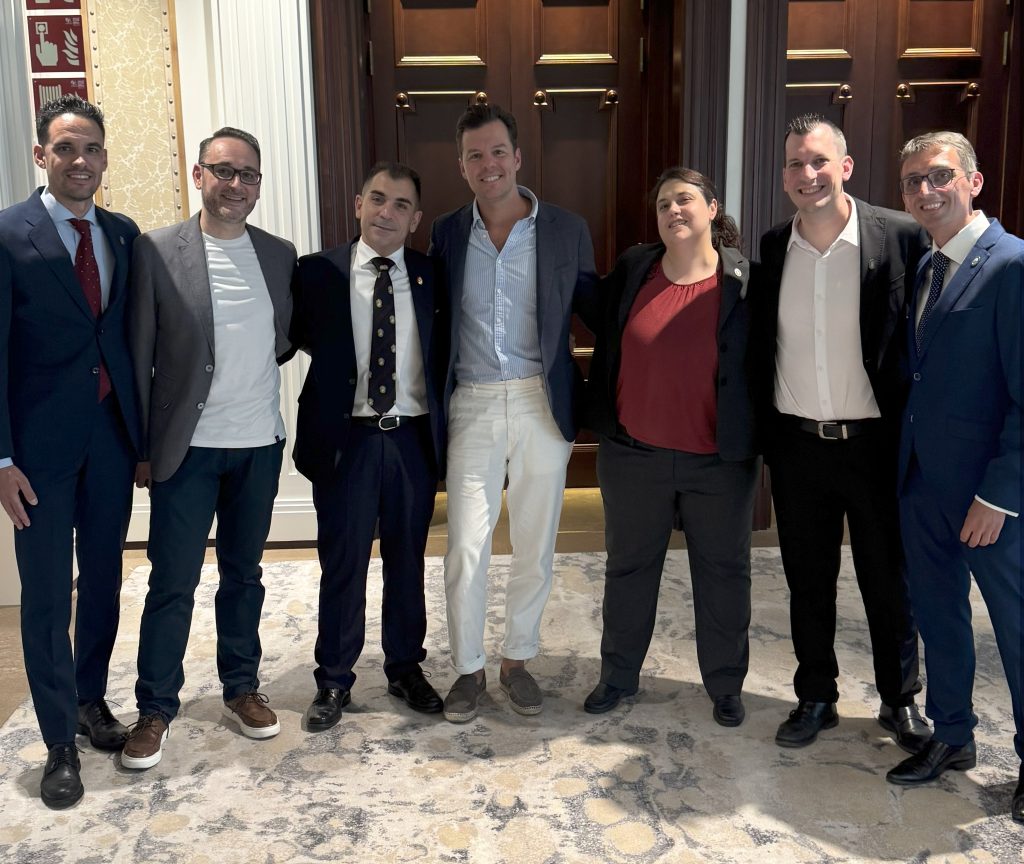
From First Pour to Final Pin: An Exclusive Interview with Roberto Durán MS
Can you share with us your earliest memories of wine? What first ignited your passion for wine, and how did you know this was the path you wanted to follow?
I have never worked in restaurant before, I was studying Economics in Spain, when I decided to take a break and came to Majorca to work in a restaurant during the summer. After working with the Sommelier of the Year 1997 in Spain, I felt in love with wines.
Becoming a Master Sommelier is a rare and prestigious achievement. What does this title mean to you personally, beyond professional recognition?
For me, becoming a Master Sommelier isn’t just about the title, it’s the result of years of personal sacrifice, passion, and perseverance. It reminds me of all the late nights studying, the early mornings tasting, and the moments of self-doubt I had to overcome. There were many times I questioned if I could do it, but pushing through those challenges helped me grow in ways I never expected.
This title means a lot to me because it reflects how far I’ve come - not just in my career, but as a person. It’s taught me discipline, humility, and the importance of staying true to what I love. It also makes me incredibly grateful for the people who believed in me and supported me through the ups and downs.
At the end of the day, it’s about more than wine. It’s about connection, sharing stories, and making people feel something special through what we do. That’s what keeps me inspired every day.
Were there any defining moments early in your life that shaped your mindset towards excellence and mastery?
Yes, there were definitely a few defining moments that shaped how I view excellence and mastery. One of the earliest was during my first real job in fine dining while I was still a student. I remember walking into the restaurant and feeling overwhelmed by how polished and professional everyone was. I didn’t have much experience, but something clicked, I wanted to be like them.
I started staying after my shifts to learn more, watching how the sommeliers moved, how they spoke about wine, and how they carried themselves. That environment made me fall in love with the idea of not just doing a job, but truly mastering a craft.
Another key moment came when I started working at 67 Pall Mall under Ronan Sayburn. On my very first day, he led an eight-hour masterclass for the sommelier team on the Bordeaux region: covering geology, producers, vintages it was a true masterpiece. It made me realise the depth of knowledge and passion that goes into this profession, and it raised the bar for what I expected from myself.
I also experienced a major turning point when I began preparing for sommelier competitions. It was the first time I really pushed myself beyond what I thought I was capable of. The routine, the pressure, the self-doubt, it was intense. But I discovered how much I enjoy the process of learning and refining, even when it’s challenging. That experience taught me that excellence isn’t about being perfect—it’s about showing up, doing the work, and being willing to grow.
Those early lessons still guide me today. They taught me to stay humble, stay curious, and never stop striving to be better, both as a professional and as a person.
Can you describe the role that family, friends, or mentors played in your wine journey? Did anyone inspire or support you in unexpected ways?
Family, friends, and mentors have been at the heart of my wine journey. My family didn’t come from a wine background, but their quiet support meant everything. Even if they didn’t fully understand what I was working toward, they believed in me and that gave me the courage to keep going, especially during the toughest moments.
My friends have also been a huge part of this path. From helping me prepare for exams, to listening to me talk endlessly about regions and vintages, to simply reminding me to rest when I needed it, they were there through it all. It meant more than I can say.
And then there are the mentors, the people who truly changed the course of my journey. Working under someone like Ronan Sayburn MS was life-changing. His knowledge and passion challenged me to raise my own standards and reminded me what excellence really looks like. I've been fortunate to learn from sommeliers who gave me their time, their trust, and their honest guidance & support that shaped not only my career, but who I am today.
This journey is demanding, but the people around me have made it meaningful, and I’ll always be grateful for their presence, support, and inspiration.
Setting such an ambitious goal must have seemed daunting at first. How did you maintain confidence in the early stages of your journey, when success still felt far off?
Yeah, it definitely felt pretty overwhelming at first. The idea of becoming a Master Sommelier seemed almost impossible when I started. I’d look at all the stuff I needed to learn and wonder how I’d ever get there. But what kept me going was just loving the process every day I got to discover something new about wine or myself, and that kept things exciting.
There were definitely times when I doubted myself, but I learned not to compare my progress to others. Instead, I focused on small goals, like tasting one new wine or studying a little bit more each day. And having friends and mentors cheering me on really made a huge difference. They reminded me why I started and kept me motivated.
Honestly, it wasn’t about always feeling confident. It was more about showing up every day, putting in the work, and trusting that if I kept at it, and the right moment will come.
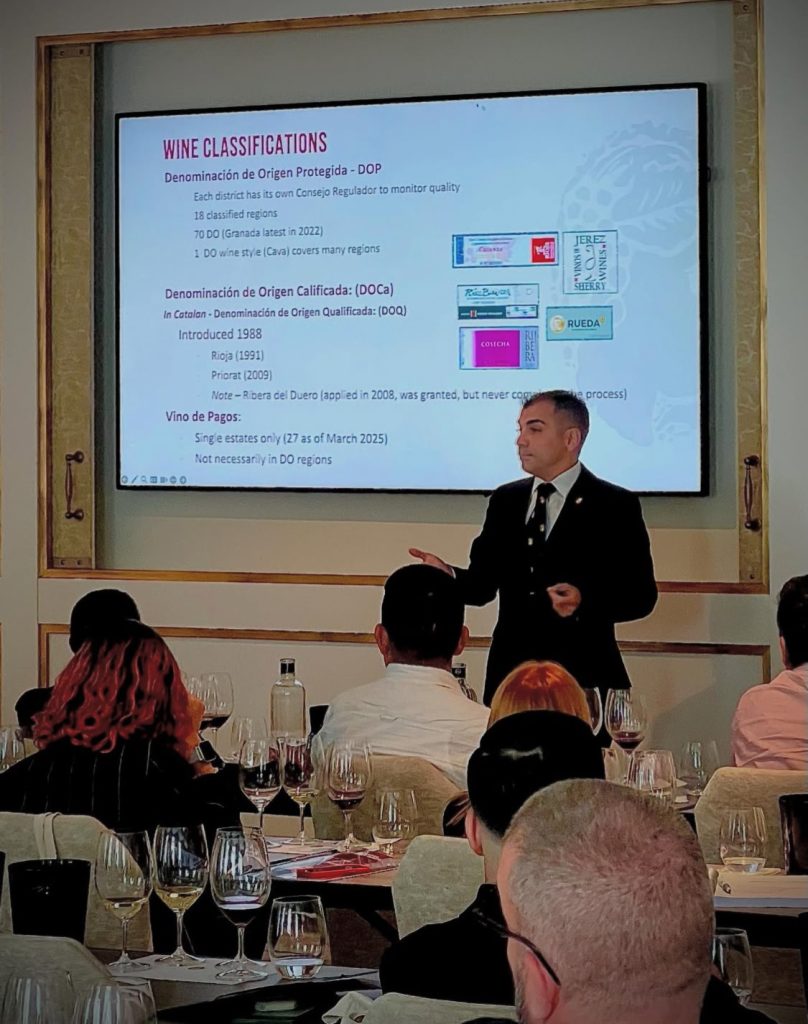
The path to mastery is filled with challenges. Can you share some of the significant obstacles you encountered, inner strengths or external sources of motivation that helped you persevere on your journey to becoming a Master Sommelier?
The journey to becoming a Master Sommelier definitely came with some tough challenges. At times, the amount of knowledge I needed to absorb felt overwhelming there was so much to learn about wines, regions, tasting techniques, and service.
I remember moments when self-doubt crept in and I questioned whether I could really do it especially when I needed to reset the full program when I failed my tasting 3 years ago.
But honestly, I couldn’t have done it alone. Mentors who believed in me, friends who listened when I needed to vent, and family who cheered me on no matter what each of them helped me through the hardest days. Their faith in me kept me moving forward, especially when I doubted myself.
Looking back, it wasn’t just about the knowledge or skills. It was about resilience, having people who believed in me, and never losing sight of what made me start this journey. That combination helped me push through the challenges and achieve my dream.
How did you handle failure, particularly in the moments where things didn’t go as planned—whether it was a failed exam or a professional setback?
Failure has been one of the hardest things to deal with on this journey. I remember the sting of not passing the final part of an exam, it felt like a real blow to my confidence. That was a devastating moment for me. This feedback it was really painful and I promise myself I will be pass this exam one day.
Also at times like that, it was easy to get discouraged and question whether I was cut out for this path.
But over time, I learned to reset my mindset and put myself in the right frame of mind. Instead of letting failure define me, I began to see it as part of the process a necessary step toward growth. I would take time to reflect on what went wrong and what I could improve, which helped me turn disappointment into motivation.
What made the biggest difference was leaning on the people around me. Talking with mentors, friends, and family who reminded me that everyone stumbles, and that these moments don’t mean the end, they just mean I’m trying. Knowing that others had gone through the same process was a huge comfort. Their support gave me strength when I felt weak and helped me get back up and keep going.
In the end, failure taught me resilience and patience, two qualities just as important as knowledge when striving for something as demanding as becoming a Master Sommelier.
Can you share a story where you experienced a major challenge, and how overcoming it shaped you into the person you are today?
One major challenge I faced was preparing for the Master Sommelier exams. The sheer volume of information, the pressure of blind tastings, and the intensity of service exams felt almost overwhelming at times. I remember one particular moment during my first attempt when I didn’t pass a section I had prepared so hard for. It was crushing, and I felt like all my effort had been for nothing.
But that setback became a turning point for me. Instead of giving up, I took a step back to reflect on my approach. I realized I needed to change my study methods, be more patient with myself, and focus on steady, consistent progress rather than rushing.
Wine education requires balancing theoretical knowledge, tasting skills, and service. Which of these areas did you find most challenging, and how did you perfect it?
Wine education is a mix of theory, tasting, and service, and honestly, the tasting part was the toughest for me; especially blind tasting. It’s one thing to know regions/subregion on paper, but identifying wines just by taste under pressure is a whole different challenge.
To improve, I made sure to taste regularly with Master Sommeliers or Sommeliers/ Master of Wine, always pushing myself outside my comfort zone. I kept detailed notes on everything I tasted, which really helped me learn from my mistakes and improve over time.
It definitely took patience and lots of practice, but bit by bit, I grew more confident and accurate. Interestingly, working on my theory also helped with my tasting and service skills, since everything is so interconnected when it comes to wine.
You’ve likely spent years learning about countless wine regions, grape varieties, and vintages. How do you keep the passion alive for such a complex and evolving subject?
Honestly, keeping the passion alive comes from the fact that wine is always changing there’s always something new to discover. Whether it’s a tiny, lesser-known region, a new vintage that surprises you, or just hearing the story behind a producer, it keeps things exciting.
I also love how wine connects people and culture, so every bottle feels like a journey. Plus, sharing that passion with others—whether it’s guests, friends, or fellow sommeliers reminds me why I got into this in the first place.
At the end of the day, it’s the constant learning and the joy of discovery that keeps me motivated, no matter how complex it gets.
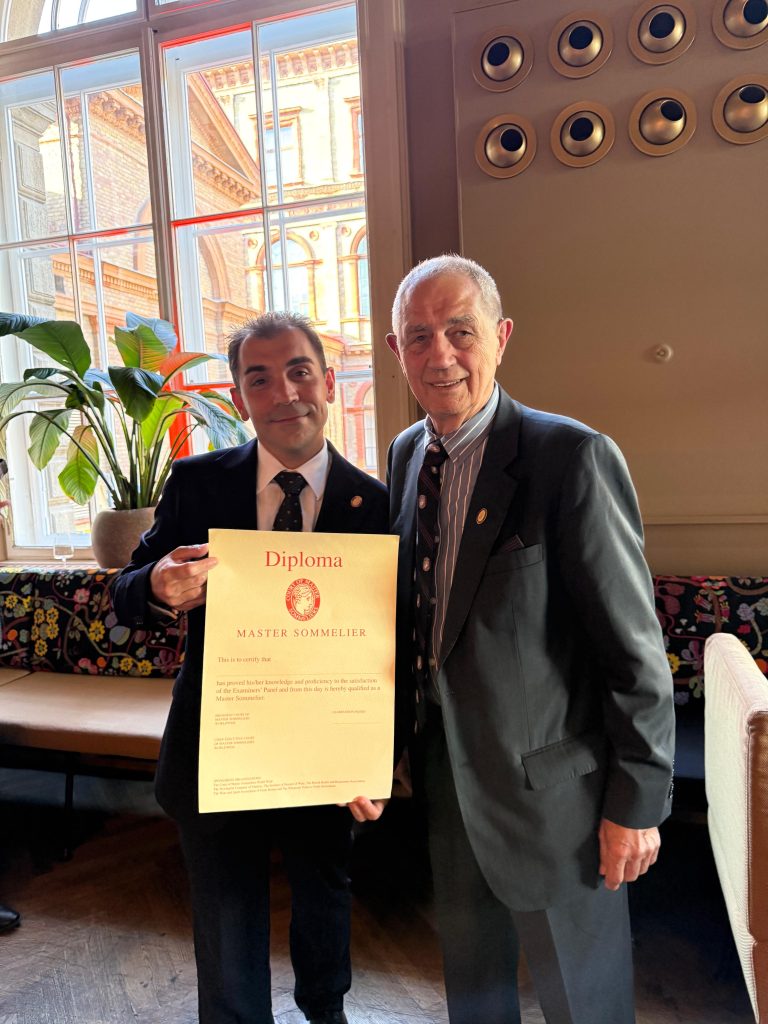
Can you describe the emotions you felt on the day you found out you had officially passed the Master Sommelier exam? Was it relief, joy, disbelief, or something more profound?
The day I found out I’d officially passed the Master Sommelier exam was such a mix of emotions. There was this huge relief after all the hard work and stress, but also a real sense of pride when the Master Sommeliers who had been my examiners came over to congratulate me.
At first, I couldn’t quite believe it, it felt a bit surreal knowing that all those late nights, sacrifices, and challenges had finally paid off.
One of the nicest moments was going back to the waiting room and seeing all the other candidates there, waiting for their results too. Sharing that excitement and nerves with everyone made it even more special.
What advice would you give to someone who has a seemingly impossible dream, what’s the most important mindset to cultivate on the road to like becoming a Master Sommelier?
If you’ve got a dream that feels impossible like becoming a Master Sommelier. My best advice is to keep going, even when it gets tough. The key mindset is to stay patient and curious, and just keep showing up every day. It’s all about taking small steps, celebrating the little wins, and not being afraid to ask for help along the way.
Remember, it’s not about being perfect; it’s about sticking with it and learning as you go. Surround yourself with people who believe in you, and don’t give up—that’s how big dreams become real.
What’s the legacy you hope to leave in the world of wine and for future generations of sommeliers?
What I really want to leave behind is a legacy of passion and resilience. For me, wine is more than just a drink: it’s about the stories, the people, and the moments it creates. I hope future sommeliers feel inspired to not only master their craft but to share that love and make every guest feel something special.
I also want to be remembered for encouraging kindness and support within the new sommelier generation. We all grow stronger when we lift each other up, and I hope my journey shows others that with passion and perseverance, they can reach their dreams too.
Is there an aspect of wine or a region that still excites you and that you want to explore further?
Even after all these years, there’s always something new and exciting in the world of wine. Right now, I’m really fascinated by wines that come from Volcanic soils and the philosophy behind them how they showcase purity and the true character of the vineyard. I’m eager to explore more producers who are pushing boundaries with minimal intervention.

Beyond your personal success, what do you hope to contribute to the future of the wine industry or the sommelier profession?
Honestly, beyond my own success, I just want to help build a supportive and friendly sommelier community. I love encouraging people to stay curious, keep learning, and enjoy the stories behind every bottle.
I’m also really keen to mentor others, helping them stay motivated and passionate about wine. At the end of the day, I want to make wine fun and accessible for everyone while respecting its amazing traditions.
What do you hope young aspiring sommeliers take away from your story as they begin their own wine journey?
I hope young sommeliers understand that the journey is just as important as the destination. It’s okay to start small, feel uncertain, or even stumble along the way. What truly matters is passion, patience, and a willingness to keep learning every day.
I want them to know that hard work and resilience pay off, and that asking for help, leaning on mentors, and supporting other sommeliers in reaching their potential are signs of strength, not weakness. Most of all, I hope they remember to enjoy the ride, because wine is about sharing stories, experiences, and moments that connect people.
Final Take
This conversation with Roberto Durán MS is a reminder that behind every achievement lies years of persistence, humility, and community support. His answers show that wine is not just about what’s in the glass; it’s about the people, the stories, and the passion that carry us through challenges.
For young sommeliers and dreamers, his message is simple yet profound: stay curious, persevere, and enjoy the journey.