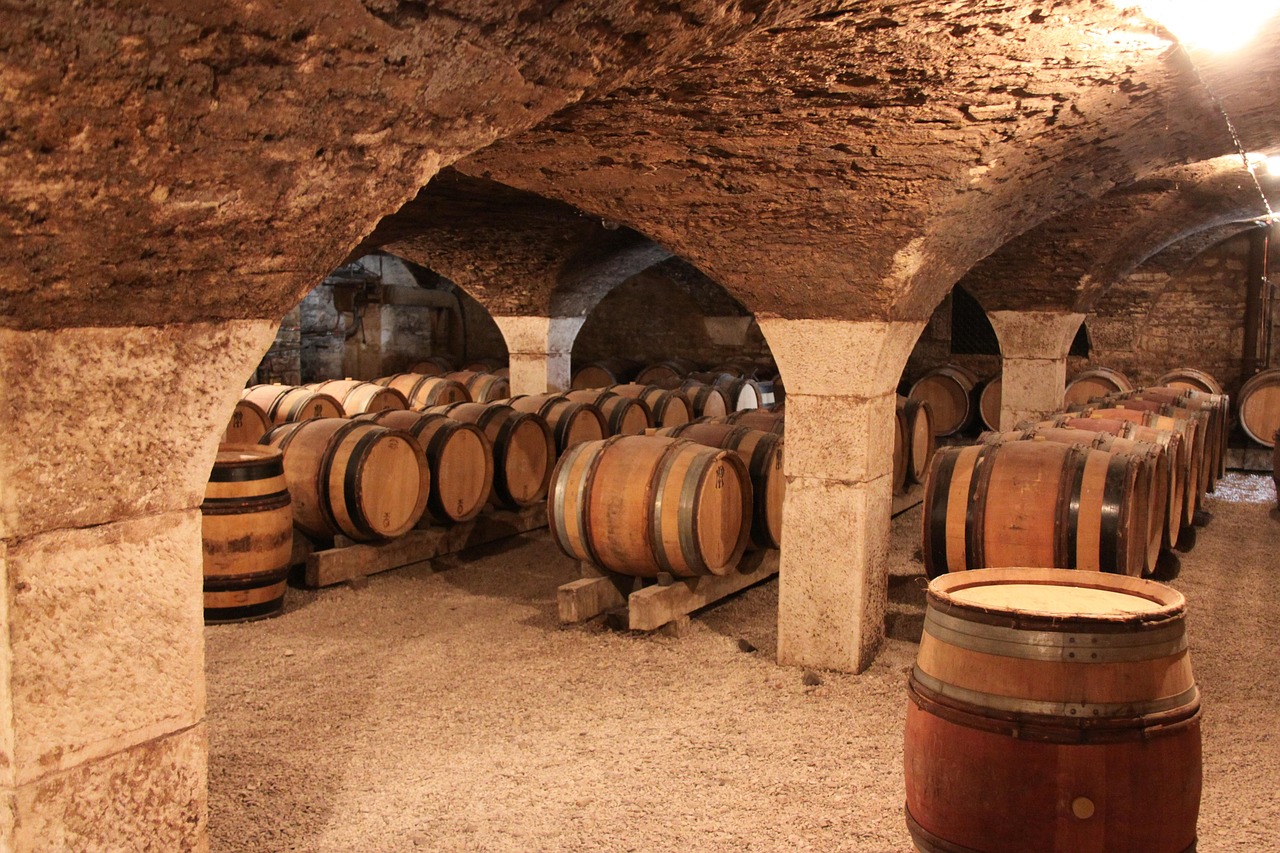
It’s fantastic to be a Chardonnay but it’s a different level of greatness to be Burgundy chardonnay, and a wine must be superlative in nature of wine godliness to be called pretty much the greatest.
While wine is very subjective to what one likes, here we will be getting into the wines that have been relevant for the longest of times, hail from fantastic terroir, tended by great wine makers and are a subject of Page 3 of the wine world.
So, let’s go ahead with the white burgundies that make heads turn.
Domaine de la Romané-Conti, Montrachet
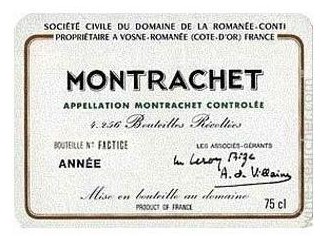
The combination of one of Burgundy’s most prestigious producers and one of the region’s finest white wine terroirs results in a truly legendary wine. DRC now owns three plots on Montrachet – in total, 0.6759ha – all located in the Chassagne section of Montrachet. The first plot of 0.342 ha was acquired in 1963, the second of 0.167ha, in 1965 and the last 0.167ha in 1980. These allow DRC to make what is arguably one of the best wines of the appellation.
The average age of the vines is around 60 years, and the annual production is in the range 2400 – 4000 bottles.
Domaine Leflaive, Chevalier- Montrachet
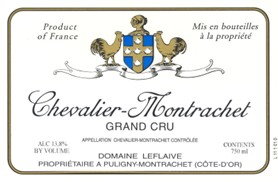
One of the Côte d’Or’s most hyped white wines is its Chevalier-Montrachet, a cru where Leflaive is the second-largest owner. The domaine was created by Joseph Leflaive between the years of 1910 and 1930 and is known to produce the most sought-after whites in Burgundy.
Domaine Coche-Dury, Meursault-Perrières
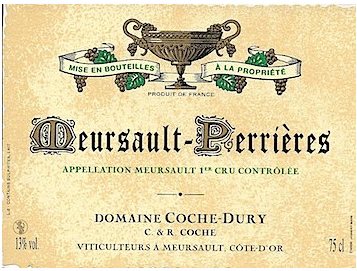
A history that dates to 1920 when Léon Coche acquired several already established vineyards, bottling his own wine from part of the harvest and selling the remainder to wine traders. While currently most of their wines is estate bottled, as a tradition they still allocate a quarter of their fruit to legendary houses like Louis Latour and Louis Jadot.
Jean-François Coche took the helm from his father and after getting married to Odile Dury the vineyard area expanded under the company’s new name Domaine Coche-Dury.
Les Perrières is one of the greatest premier crus to be found in the whole of the Côte de Beaune, not only Meursault and under the pedigree of Coche-Dury, Meursault-Perrières has its own singularity in the region and challenges other Grand Cru sites for its top notch quality. The name 'Perrières' refers to the old limestone quarries that define this terroir, and this distinctive mineral-rich soil imparts a profound stony character to the wine. It is a 0.67 ha vineyard with limestone soil. hand harvesting, gentle pressing, and fermentation in oak barrels. The wine typically ages for 18-22 months in approximately 25% new oak barrels with minimal intervention.
Domaine Raveneau, Chablis Les Clos

It is often named as one of the best wines ever produced in the region of Chablis. The wines of Domaine Raveneau are among the finest, and they are popular with collectors all over the world for their outstanding quality and consistency.
The domaine was created in 1948, when François Raveneau consolidated his vineyard holdings with those of his wife’s family, doing his best to restore quality after his father had spent years selling off prime parcels of land. Today, it owns nearly 8ha of land, including three grand cru vineyards (Blanchot, Les Clos and Valmur).
The Le Clos parcel is 0.5 hectare.
SPECIAL MENTIONS
Domaine Bonneau du Martray, Corton- Charlemagne
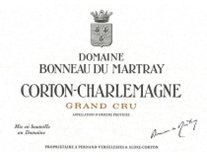
The Holy Roman Emperor, Charlemagne, appreciated wine and promoted moderate consumption. He is said to have ordered the planting of the first white grape varieties on the Corton hillside. The red wines he loved so much stained his long white beard, and his wife is said to have pressured him into drinking white wines instead.
The 23.5 acre (9.5ha) parcel of Chardonnay is the largest single holding in the Grand Cru. Bonneau du Martray’s Corton-Charlemagne produced here is widely regarded as one of the greatest white wines made by Chardonnay in Burgundy.
Vinification starts with light crushing for gentle extraction of the aromatic components. Fermentation takes place in a combination of new and aged French oak barrels. The wine goes through lees aging, racked and put into tanks to regulate.
Domaine Ramonet Batard-Montrachet Grand Cru
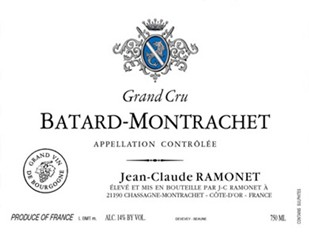
The Domaine was set up in the late 1920s by Pierre Ramonet. Ramonet’s father was a vineyard worker, and young Pierre was practically raised amongst vines, helping him from the age of eight. While he had his plots in Chassagne-Montrachet, he purchased his first Grand Cru plots in in Bâtard-Montrachet and Bienvenues-Bâtard-Montrachet in 1950’s.
The Bâtard-Montrachet plot is of 0.6 ha.
Joseph Drouhin, Montrachet, Marquis de Laguiche
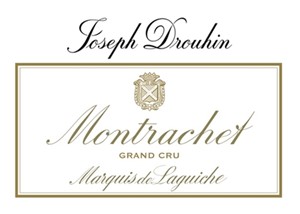
Established back in 1880, the Domaine is still holding up its tradition of producing high end wines. Marquis de Laguiche is one of the oldest and most prestigious families in France this plot is (2.06 hectares/5.15 acres) is the largest parcel of the Montrachet vineyard and has been in the hands of the Laguiche family since 1776. Drouhin has overseen the vineyard and the vinification here since 1947.
The vinification process involves hand-harvesting, gentle pressing, and fermentation in oak barrels, followed by aging for 18-21 months. Alcoholic fermentation, malolactic and ageing are being processed in oak barrels.
This text is invaluable. How can I find out more?
Keep visiting our blog regularly for such exclusive content.