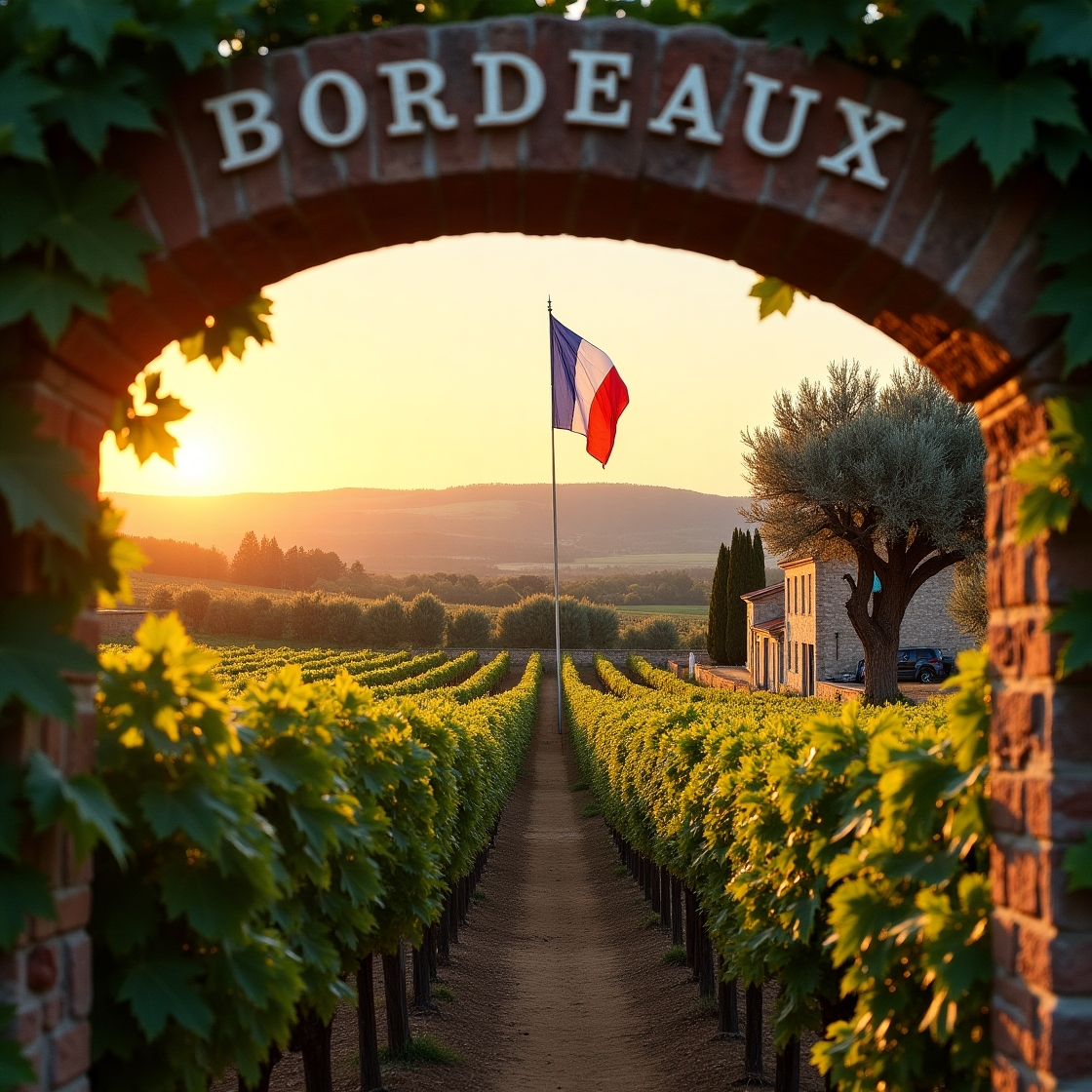
Bordeaux is one of the most iconic and complex wine regions in the world. Located in southwestern France, it combines centuries of history, a unique maritime climate, diverse terroirs, and a layered classification system that continues to shape global wine appreciation. This guide explores every key facet of Bordeaux in detail, from geography and grape varieties to classifications, regional styles, trade practices, and modern challenges.
Historical Foundations
Wine production in Bordeaux dates back to the 4th century AD, but the region's rise began with English rule from 1152 to 1453, which fostered strong trade links. In the 17th century, the Dutch drained the Médoc marshlands, enabling viticulture and laying the groundwork for Cabernet Sauvignon's dominance. Bordeaux’s location near the Atlantic, and along the Gironde estuary, cemented its role as a global wine exporter. Over time, a sophisticated system involving châteaux, courtiers (brokers), and négociants (merchants) developed, controlling everything from production to trade.
Geography & Climate
Bordeaux spans over 111,000 hectares, making it France's largest AOC region. It is divided into three main areas:
- Left Bank: Includes Médoc and Graves, dominated by gravel soils ideal for Cabernet Sauvignon.
- Right Bank: Includes Saint-Émilion and Pomerol, where clay and limestone favor Merlot and Cabernet Franc.
- Entre-Deux-Mers: Located between the Garonne and Dordogne rivers; produces dry whites and value reds.
The maritime climate means mild winters, damp springs, and warm summers. The Atlantic and Gironde provide temperature moderation, while pine forests protect from harsh winds. However, high rainfall makes vintage variation significant and disease management crucial.
Grape Varieties & Blending
Red Grapes:
- Merlot: Most planted, early ripening, thrives in clay.
- Cabernet Sauvignon: Tannic, structured, needs gravel soils.
- Cabernet Franc: Aromatic, performs well on limestone.
- Petit Verdot, Malbec (Pressac), Carménère: Used in small amounts.
White Grapes:
- Sémillon: Waxiness and richness; backbone of sweet wines.
- Sauvignon Blanc: High acidity, citrus flavors.
- Muscadelle: Floral, aromatic.
- Others: Sauvignon Gris, Colombard, Ugni Blanc (minor roles).
Blending (assemblage) ensures balance, complexity, and insurance against climate risk. Left Bank blends are Cabernet-driven; Right Bank focuses on Merlot.
Appellations & Styles
- Bordeaux AOP: Encompasses red, white, rosé, clairet (deep-colored rosé), and Crémant. Widely used across the entire region, offering entry-level wines that reflect the Bordeaux style. Red Bordeaux AOP wines may include all six approved red grapes. Clairet and rosé provide lighter, refreshing alternatives.
- Bordeaux Supérieur AOP: Produced under stricter regulations with longer aging and higher minimum alcohol. Typically offers more structure and quality than base Bordeaux AOP.
- Côtes de Bordeaux AOP: Established in 2008 to simplify labeling and highlight quality wines from less famous communes. Includes subzones: Blaye, Cadillac, Castillon, Francs, and Sainte-Foy. These red wines must be blends and are Merlot-dominant, offering excellent value and aging potential.
- Crémant de Bordeaux: Traditional method sparkling wines, mostly white or rosé, made from both red and white Bordeaux grape varieties.
Left Bank Highlights:
- Médoc AOP: Northern part of the Left Bank, clay-heavy soils, Merlot-dominant wines; often simpler, rustic, but good value.
- Haut-Médoc AOP: More prestigious, includes classified growths from:
- Saint-Estèphe: Full-bodied, tannic; notable châteaux include Cos d'Estournel.
- Pauillac: Home to three First Growths: Château Lafite Rothschild, Château Mouton Rothschild, and Château Latour. Produces structured, age-worthy wines with power and depth.
- Saint-Julien: Balanced, elegant wines; top estates include Château Léoville Las Cases and Château Ducru-Beaucaillou.
- Margaux: The most fragrant and floral wines of the Left Bank; includes First Growth Château Margaux.
- Listrac & Moulis: Smaller communes without classified growths, but offer solid value.
- Graves AOP: Mixed red and white production, with sandy and gravel soils.
- Pessac-Léognan AOP: Top reds and whites; includes Château Haut-Brion, the only Left Bank First Growth outside the Médoc.
- Graves Supérieures, Cérons, Barsac, Sauternes: Sweet wines from botrytized grapes.
- Sauternes AOP: Includes Premier Cru Supérieur Château d’Yquem.
Right Bank Highlights:
- Saint-Émilion AOP: Limestone and clay soils.
- Classification (1955+): Updated regularly with tiers: Premier Grand Cru Classé A (e.g., Château Ausone, Château Cheval Blanc), B, and Grand Cru Classé.
- Pomerol AOP: No formal classification but home to world-class estates like Château Pétrus, Le Pin, and Vieux Château Certan. Wines are plush and Merlot-dominant.
- Satellites: Lussac, Montagne, Puisseguin, Saint-Georges.
- Lalande-de-Pomerol, Fronsac, Canon-Fronsac: Offer Merlot-based wines at lower price points.
Entre-Deux-Mers & Others:
- Entre-Deux-Mers AOP: Dry whites only. Sauvignon Blanc and Sémillon dominate, with zesty citrus and mineral tones.
- Loupiac, Sainte-Croix-du-Mont, Cadillac: Sweet wines often affected by noble rot, similar in style to Sauternes.
- Graves de Vayres AOP: Produces both red and white wines with good quality potential.
Classification Systems
- 1855 Classification: Created for the Paris Exposition. Ranks Médoc châteaux into five growths and classifies Sauternes estates into First and Second Growths. Château d’Yquem is the only Premier Cru Supérieur.
- Graves Classification (1953/59): Recognizes red and white wines; all classified estates now lie within Pessac-Léognan.
- Saint-Émilion Classification (1955+): Peer-reviewed and periodically updated; has seen legal challenges and withdrawals.
- Cru Bourgeois: Recognizes quality in the Médoc outside the 1855 list; reinstated with three tiers: Exceptionnel, Supérieur, and Cru Bourgeois.
- Cru Artisan: Small, family-run Médoc estates; reviewed every five years.
Business Model & En Primeur
Bordeaux’s distribution relies on the Place de Bordeaux, a structured network of négociants and courtiers. Most classified wines are sold en primeur (as futures), allowing early access before bottling. This system supports cash flow for producers and offers speculative opportunities to collectors.
Modern Trends & Challenges
- Climate Change: More frequent droughts and hailstorms have led to the approval of new experimental grape varieties.
- Sustainability: Organic, biodynamic, and HVE (High Environmental Value) practices are growing.
- Vintage Variation: Weather impacts quality and quantity, emphasizing the need for vintage awareness.
- Garagiste Wines: Small-scale, high-concentration wines from micro-estates like Le Pin and Valandraud.
Conclusion
Bordeaux remains the benchmark for fine wine production. With layered classifications, diverse terroirs, and rich historical context, it offers an invaluable study for wine professionals and a treasure trove for wine lovers. Whether you're enjoying a Grand Cru Classé or a humble Bordeaux Supérieur, each bottle carries the legacy of this remarkable region.