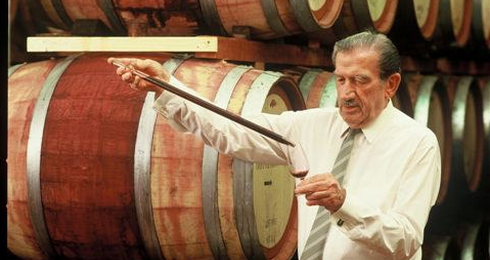
Few wines in the world command the reverence that Grange does. The journey of this Australian icon is one defined by creativity, risk, and an unyielding belief in the extraordinary. Born from a simple idea during a fateful visit to Bordeaux in 1950, Grange has since become a symbol of pioneering winemaking and enduring excellence.
The Dawn
In 1950, Penfolds winemaker Max Schubert visited Bordeaux on a side trip while investigating winemaking practices in Spain and Portugal. It was in Bordeaux’s cellars that Schubert encountered wines designed to age for decades. Inspired by the French winemaking tradition, he returned to Australia with a vision to craft a wine capable of surviving and thriving for a minimum of twenty years. In 1951, he took the first step in realizing that vision by producing an experimental vintage of what would later be known as Grange. Little did he know that his ambition would challenge conventions and spark both controversy and eventual triumph.
The Dreamer’s Vision
Max Schubert’s dream was rooted in a profound passion for winemaking. Inspired by Bordeaux’s timeless wines, he aspired to create a full-bodied, well-structured red wine that would gain complexity with age. Schubert believed Shiraz was the ideal grape to achieve this, and in 1951, he crafted the first experimental Grange using Shiraz from Magill Estate and Morphett Vale. This was the beginning of something truly unique—an Australian wine made to stand the test of time, blending European influence with local innovation.

Courtesy: Penfold's
From Rejection to Redemption
In 1957, Schubert faced a major setback when Penfolds’ senior management and wine critics overwhelmingly rejected his efforts. Grange was deemed a failure, and the project was officially shut down. But Schubert’s resolve was unwavering. Determined to prove the potential of his creation, he continued to produce Grange in secret, crafting vintages in 1957, 1958, and 1959 in the underground cellars at Magill Estate, with the support of Jeffrey Penfold Hyland.
By 1960, Penfolds’ management reconsidered their stance, recognizing the extraordinary aging potential of Schubert’s wine. Grange was reinstated, marking the beginning of its rise as one of the most revered wines in the world. The hidden vintages of the late 1950s, once crafted in secrecy, now became some of the most sought-after bottles in the wine world.
The Signature Grange Style
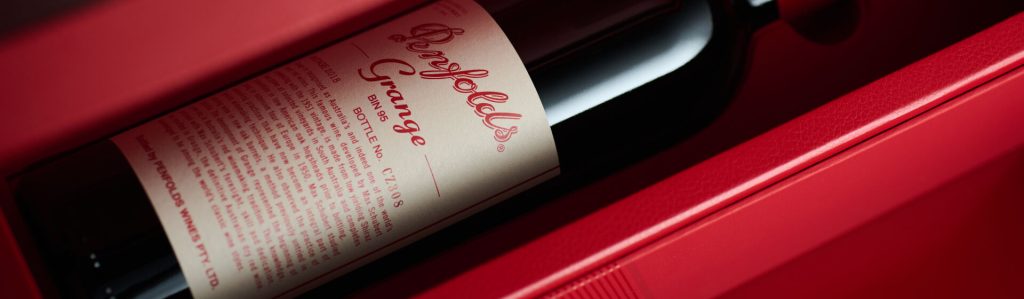
Grange’s appeal lies in its commitment to an enduring style. The wine is known for its aromatic depth, rich fruit intensity, firm tannins, and the distinctive influence of American oak. Aged for 18 to 20 months in oak barrels, followed by extended bottle aging, Grange evolves gracefully over time, with its tannins softening and flavors becoming increasingly complex. Each vintage retains the essence of Max Schubert’s original vision—a wine capable of both power and elegance, maturing beautifully with time.
Since 1951, Grange has maintained an unbroken line of vintages, becoming a South Australian treasure. Today, it is one of the most collected and celebrated wines in Australia, with each vintage paying homage to Schubert’s pioneering spirit while continuing to push the boundaries of excellence.
Key Milestones in Grange’s Journey
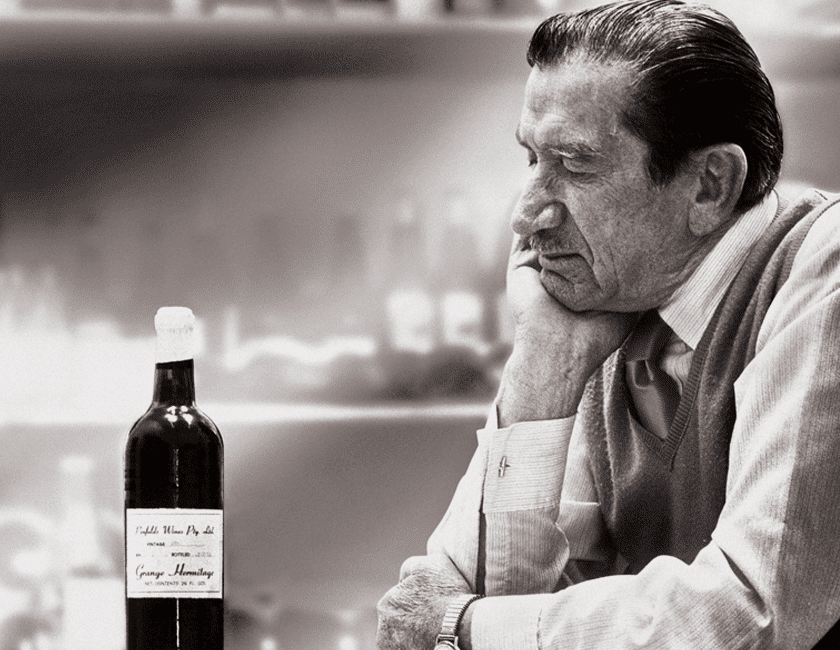
1931: Max Schubert began his career at Penfolds in the humblest of roles, joining the company as a messenger boy. Despite this modest start, his passion for winemaking was already clear. Over the years, he worked his way up through the ranks, learning every facet of the craft and gaining the respect of his peers.
1948: At just 33 years old, Schubert was appointed Penfolds' first Chief Winemaker, a testament to his talent and vision. This promotion marked a pivotal moment in both his career and the future of Australian winemaking, setting the stage for the bold innovations that would follow.
1950: Schubert was sent to Europe by Penfolds to study winemaking practices in Spain and Portugal. It was during this trip that a detour to Bordeaux profoundly influenced him. Fascinated by the region's ability to craft wines that aged gracefully over decades, Schubert returned to Australia with a burning ambition to create a wine of similar stature that could withstand the test of time.
1951: Back in Adelaide, Schubert embarked on his revolutionary journey. He selected Shiraz from the Magill Estate and Morphett Vale as the "raw material" for his first experimental wine. That year, he created what would become the first vintage of Grange—a wine destined to redefine Australian winemaking. This early experiment fused traditional Australian winemaking with insights Schubert had gleaned from Bordeaux, laying the groundwork for the unique style of Grange.
1960: Schubert’s persistence paid off when, after reassessing the aging potential of the earlier vintages, the Penfolds board reversed its decision. They acknowledged the exceptional quality that Grange developed with time and reinstated the wine. This was a monumental moment for both Schubert and Grange, as the wine began its ascent to international recognition.
1995: In a crowning achievement for Australian wine, the 1990 vintage of Grange was named Wine Spectator’s Red Wine of the Year. This accolade marked a global acknowledgment of Grange’s excellence, further cementing its place among the world’s finest wines and demonstrating that Schubert’s vision had indeed come to fruiti
Grange Today: A Living Legacy
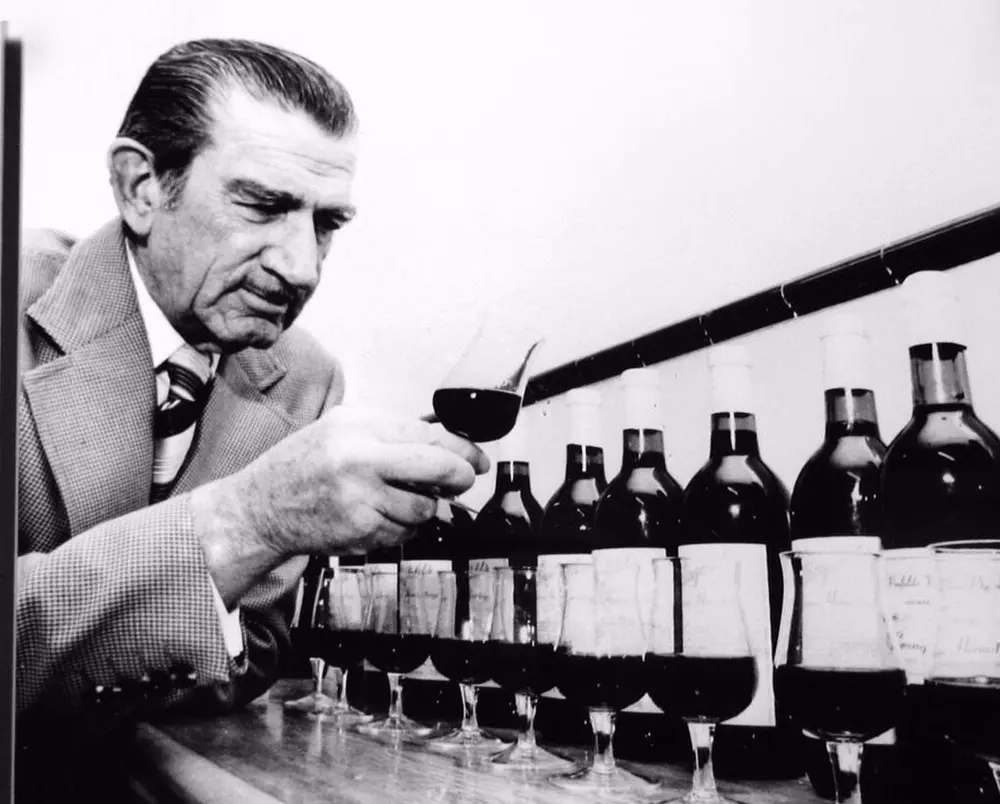
Max Schubert’s vision for Grange lives on today, as each new vintage continues to embody the principles of invention, perseverance, and excellence. Enshrined as a South Australian heritage icon, Grange stands as a testament to one man’s determination to create something truly remarkable. The legacy of Grange is more than just a wine—it is a symbol of Australia’s ascent to the world stage of fine winemaking, with a future as bright as its storied past.
Article By: Ankit Choudhary
Very informative
You made some decent points there. I looked on the internet to find out more about the issue and found most individuals will go along with
your views on this website.
Greetings from California! I’m bored at work so I decided to
browse your site on my iphone during lunch break. I really
like the knowledge you present here and can’t wait to take a look when I get home.
I’m surprised at how fast your blog loaded on my phone .. I’m not even using WIFI, just 3G ..
Anyhow, awesome blog!